Tea Tree Oil: A Natural Support for Acne-Prone Skin
12 Aug, 2026 06:29 PM
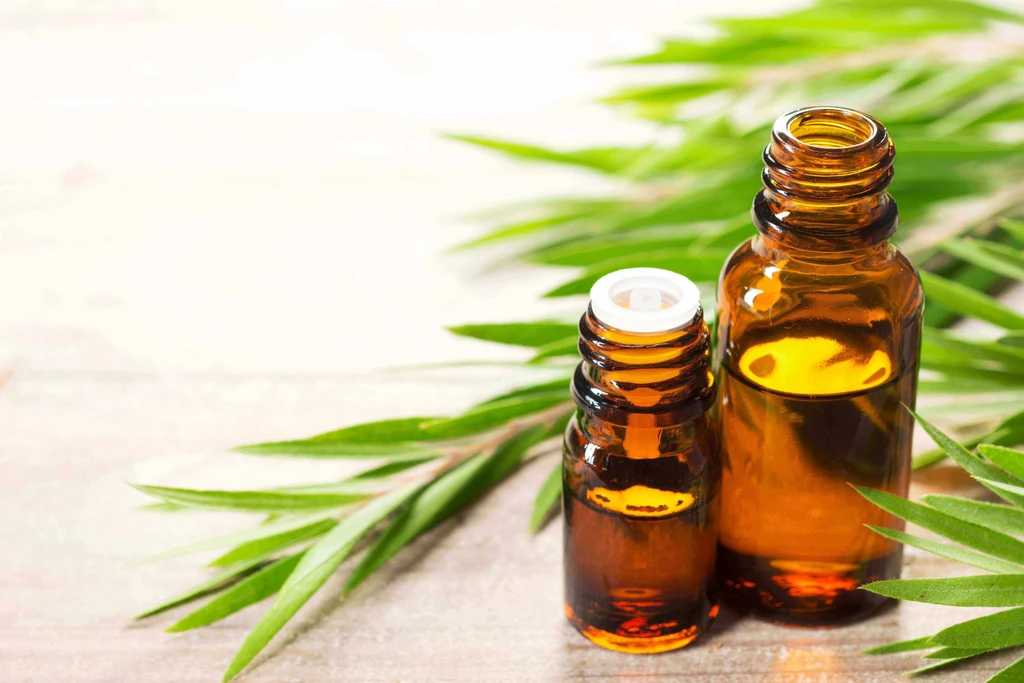
Tea tree oil is a powerful natural ingredient extracted from the leaves of the Melaleuca alternifolia tree, which is native to Australia. It has been used for centuries to help manage different skin concerns, especially acne.
12 Aug, 2026 06:29 PM
Tea Tree Oil: A Natural Support for Acne-Prone Skin
Tea tree oil is a powerful natural ingredient extracted from the leaves of the Melaleuca alternifolia tree, which is native to Australia. It has been used for centuries to help manage different skin concerns, especially acne.
Tea Tree Oil: A Natural Support for Acne-Prone Skin
Tea tree oil is a powerful natural ingredient extracted from the leaves of the Melaleuca alternifolia tree, which is native to Australia. It has been used for centuries to help manage different skin concerns, especially acne.
According to recent information and skincare experts, tea tree oil may work as a natural supportive ingredient for acne-prone skin when used correctly.
How Tea Tree Oil Supports the Skin
Tea tree oil is known for its natural antibacterial and anti-inflammatory properties. These qualities may help reduce acne-causing bacteria and calm irritated skin.
It contains a compound called terpinen-4-ol, which may help control Cutibacterium acnes, one of the bacteria linked to acne.
Tea tree oil may also help reduce skin impurities and support clearer-looking skin. With regular and proper use, it can be helpful for pimples, blackheads, whiteheads, and post-acne marks.
How Does Tea Tree Oil Help with Acne?
Antibacterial Support
The antibacterial properties of tea tree oil may help reduce the activity of acne-causing bacteria. This can lower the chance of new breakouts developing.
Helps Control Excess Oil
Tea tree oil may help reduce excess oil on the skin. Keeping oil under control can help prevent clogged pores and support a cleaner, fresher-looking complexion.
Calms Redness and Irritation
Its anti-inflammatory properties may help soothe redness, swelling, irritation, and discomfort around breakouts.

How to Use Tea Tree Oil Safely
Tea tree oil is highly concentrated. Applying it directly to the skin may cause irritation, dryness, or a burning sensation. It should always be used carefully.
Perform a Patch Test
Apply a small amount of the diluted oil to your hand or another small area of skin before using it on your face. Stop using it if you notice redness, itching, irritation, or sensitivity.
Always Dilute It
Do not apply pure tea tree oil directly to your skin. Mix a few drops with a lightweight moisturizer or a carrier oil, such as jojoba oil, before applying.
Use as a Spot Treatment
Apply a small amount of diluted tea tree oil directly to the affected area using a clean cotton swab. Avoid applying it over the entire face unless it is properly formulated for facial use.
Use in Moderation
Start by using it once a day or a few times a week. Increase the frequency only if your skin tolerates it well. Overuse may cause dryness or irritation.
Precautions and Possible Side Effects
Tea tree oil may not be suitable for every skin type. People with eczema, very sensitive skin, or a damaged skin barrier may experience irritation.
Avoid using too much product or applying highly concentrated tea tree oil. Keep it away from the eyes, lips, inside the nose, and other sensitive areas.
If your acne is severe, painful, persistent, or keeps returning, consult a dermatologist for professional advice.
Final Thoughts
Tea tree oil can be a helpful natural ingredient for acne-prone skin because of its antibacterial and anti-inflammatory properties. It may help reduce breakouts, control excess oil, and calm redness when used correctly.
However, tea tree oil is not a complete or single solution for acne. For better results, it should be used as part of a balanced skincare routine and with professional guidance when necessary.